Snowbird Car Shipping · North ⇄ South
Snowbird car shipping: your car heads south for the winter. You just fly.
Every fall, snowbirds trade snow shovels for sunshine — and their cars make the trip on a carrier, not on icy interstates. We ship your car south in the fall and bring it back north in the spring: door to door at both homes, on one simple round-trip plan.
- Round-trip thinking — the spring return is planned from day one
- Door to door at both homes — no terminals, no driving to a lot
- Skip 1,000+ miles of winter wear, salt and road risk on your car
- Licensed, insured carriers with photo condition reports
Tell us the route and the car. Your estimated range appears the moment your details are in — then a snowbird specialist confirms the exact figure with you personally and talks through both legs of the trip.
Get your snowbird estimate
About 30 seconds · Your range shows on the final step
Our network standards
Round-Trip Planner
Which way are you migrating?
Pick your season first — the suggested pairs below flip direction with it. Tap a pair and your route fills into the quote form above, ready for your car and your dates. Your specialist plans the other leg with you on the same call.
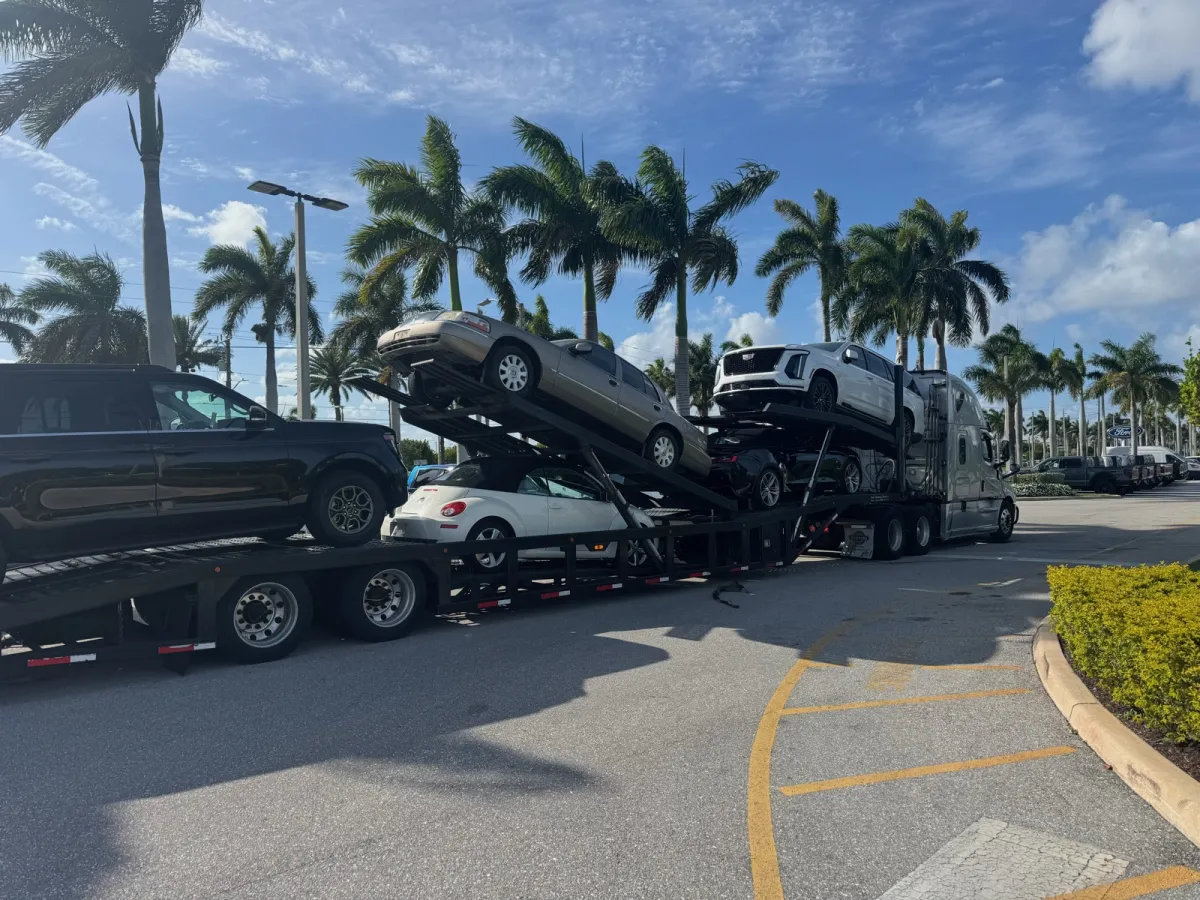
Fall, southbound: carriers stream from the Northeast, Midwest and Canada-border states toward Florida, Arizona and Texas. Your northern home is the pickup — tap a pair to set it.
Don't see your pair? The quote form above takes any two ZIPs — type them in and recognition fills the cities for you. Either season, the same form runs both directions.
The Snowbird Round Trip
South in the fall. North in the spring. One plan covers both.
Driving your own car 1,200 miles each way — twice a year, through early snow and spring storms — is the part of snowbirding nobody misses. Shipping turns the migration into a short flight and a car that is simply there when you land.
The fall run south
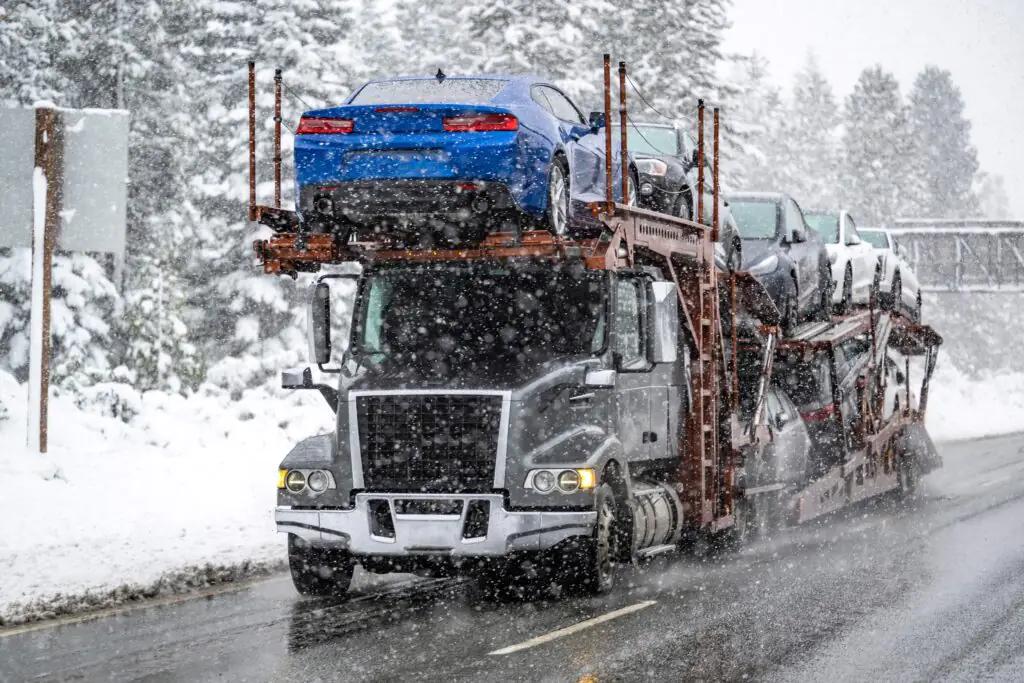
From October into December, carriers stream from the Northeast, Midwest and Canada-border states toward Florida, Arizona and Texas. Booking a couple of weeks ahead of your flight puts your car in your winter driveway within days of your arrival — without a single mile of salted interstate on it.
The spring run north
From March into May the flow reverses. Because your specialist planned the round trip with you in the fall, the return is a conversation — not a fresh scramble — and your car is home before the spring projects start.
Two homes, zero terminals
Pickup happens at your northern driveway and delivery at your winter home — and the reverse in spring. If a gated community or narrow street keeps the big truck out, the driver meets you at the nearest easy spot, a few minutes away.
Book the season, not the scramble
Peak weeks fill first on every snowbird lane. Getting your estimate early costs nothing — and when you are ready, the reservation offered on your estimate screen — credited toward your final price — is what holds your spot while your specialist confirms exact dates.
Snowbird Lanes
The routes the migration runs on
Tap a lane and the quote form fills itself in — then just add your car. Running the reverse direction in spring? The same lanes work northbound; swap the ZIPs in the form.
How It Works
Four steps, twice a year

Your car rides. You fly. The miles happen to neither of you.
A long-distance drive south costs days, hotel stops, winter tires' worth of wear and — some years — a white-knuckle day through the mountains. On a carrier, your car is photographed, loaded, insured and tracked through one specialist who knows your lane and your dates.
Most snowbird cars travel open — it is how the seasonal fleets run and it keeps the round trip affordable. A classic, a convertible or a collector car can ride enclosed instead; choose it in the form and the estimate follows your selection.
Your estimate & exact quote
Submit the route, the car and your details — your estimated range appears on the final step, and a specialist confirms the exact, all-in figure for your dates, including the plan for the spring return.
Carrier matched on your lane
We match a licensed, insured carrier already running your snowbird lane that week, timed so the car arrives as you do — not weeks before.
Documented pickup
The driver photographs and notes the car's condition with you present, loads it, and secures it for the run south (or north). You keep the report.
Delivered at the other home
The condition inspection is repeated with you at delivery. In spring, the same steps run in reverse — same specialist, same care, opposite direction.
Open vs Enclosed
Which ride does your snowbird car need?
Most seasonal cars ride open — that is how the snowbird fleets run. Enclosed earns its premium when the car itself is the valuable part of the trip.
| Open | Enclosed | |
|---|---|---|
| Best for | Everyday snowbird cars — sedans, SUVs, daily drivers | Classics, convertibles & collector cars wintering south |
| Weather exposure | Same conditions as driving it yourself | Sealed out — hard-sided trailer |
| Availability in season | Widest — the seasonal fleets run open | Smaller fleet — book earlier on peak weeks |
| Cost | Lower — the round-trip-friendly choice | Higher — trailer, equipment & coverage |
| Loading | Standard ramps | Lift gate available for low-clearance cars |
| Insurance | Licensed carrier cargo coverage | Higher coverage carried as standard |
Either way, the choice in the quote form is yours — select Open or Enclosed in Step 2 and your estimate and booking honor exactly that selection.
Snowbird Questions
Before the migration
Why does my estimate show only after I enter my details?
Your range is calculated from your actual route, vehicle and transport type — and it is tied to your request so a specialist can confirm the exact figure with you. Entering your details takes seconds, and the range appears immediately on the next screen.
Can you handle the round trip — south in fall, north in spring?
Yes — that is the whole point of this service. Your specialist notes the return when you book the fall leg, and the spring shipment runs the same lane in reverse, door to door at both homes. Each leg is quoted and confirmed on its own dates.
When should I ship for the fall season?
Southbound demand builds from October and peaks around the holidays; northbound peaks in spring. Getting your estimate a few weeks before your travel date gives the carrier schedule the most flexibility — and reserving your spot on the estimate screen holds your place in the queue while dates firm up.
I won't be there when the car arrives. Can someone else receive it?
Yes — a spouse, family member, neighbor or property manager can meet the driver for the delivery inspection. Tell your specialist who will receive the car and they will coordinate the handoff window with that person.
Can I leave things in the car for the trip?
Carriers generally allow a modest amount of items secured in the trunk, but items inside the vehicle are not covered by the carrier's cargo insurance and excess weight can be refused. Many snowbirds ship the car light and fly with the rest — your specialist can confirm your carrier's exact policy.
Is my car insured during the trip?
Every carrier in the network is licensed and carries cargo insurance. The photo condition report at pickup documents the car's state before it moves, and the same inspection is repeated with you at delivery — on both legs of the round trip.
What if my car is a classic or a convertible kept at the winter home?
Choose Enclosed in Step 2 of the form. Your car rides inside a hard-sided trailer, out of the weather and out of sight, with soft-strap securement — and your estimate is calculated for enclosed service on your exact route.
Thirty Seconds To Your Range
Winter is coming up north. Your car doesn't have to sit in it.
Route, vehicle, details — then your snowbird estimate range, and a specialist who plans both legs of the trip with you.
Get My Snowbird Estimate